
Tree Trimming for Healthy Growth
Best performed before new growth begins, typically in early spring, to shape trees and remove winter damage.
Used to thin out dense foliage and remove dead branches during the growing season.
Ideal for removing weak or diseased branches before winter dormancy begins.
Suitable for dormant trees, allowing easier access and reducing stress during colder months.
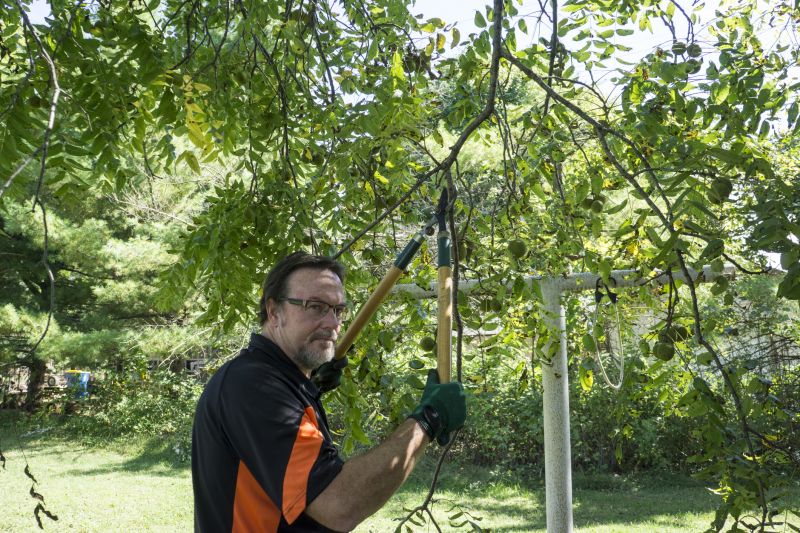
Tree trimming during early spring supports healthy growth.
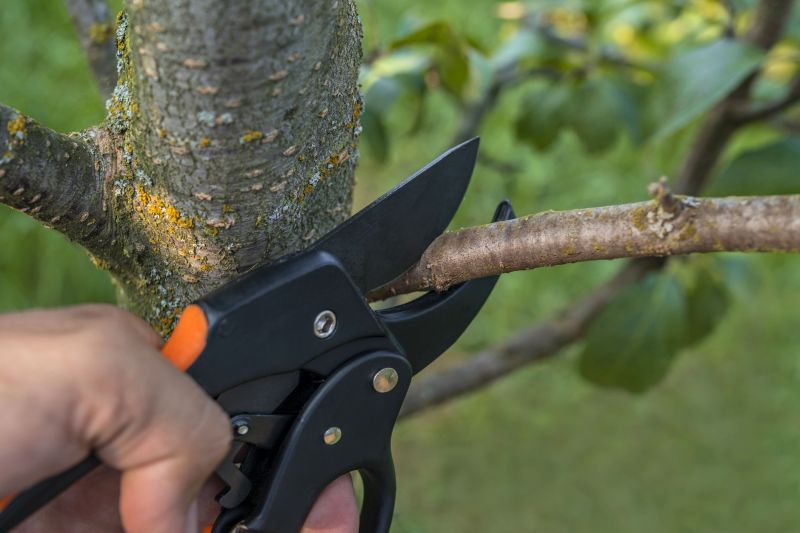
Removing excess foliage to maintain shape.
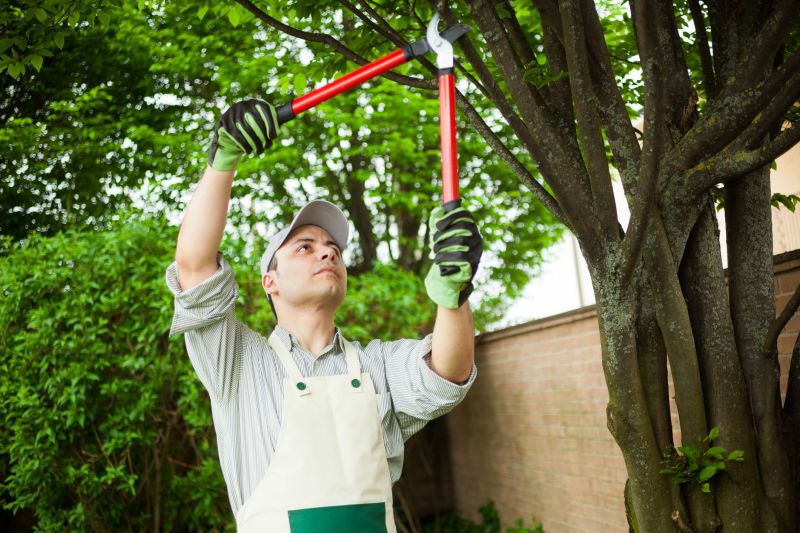
Preparing trees for winter dormancy.
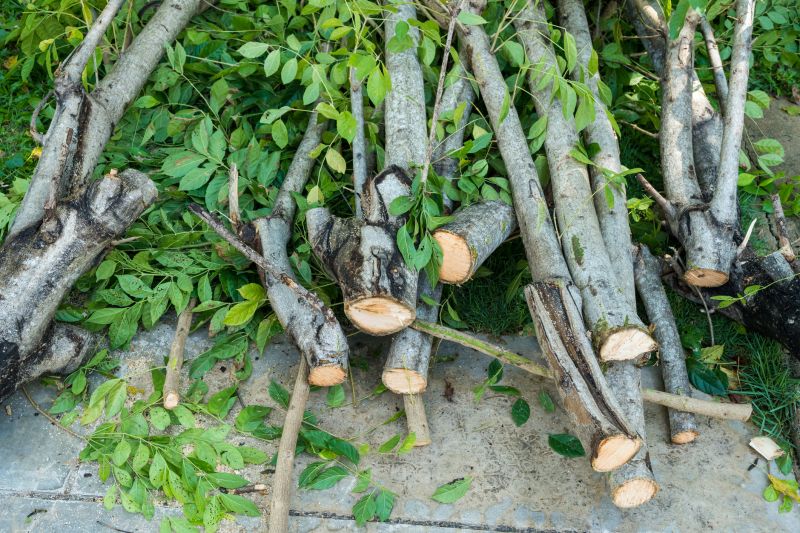
Ways to make Tree Trimmings work in tight or awkward layouts.
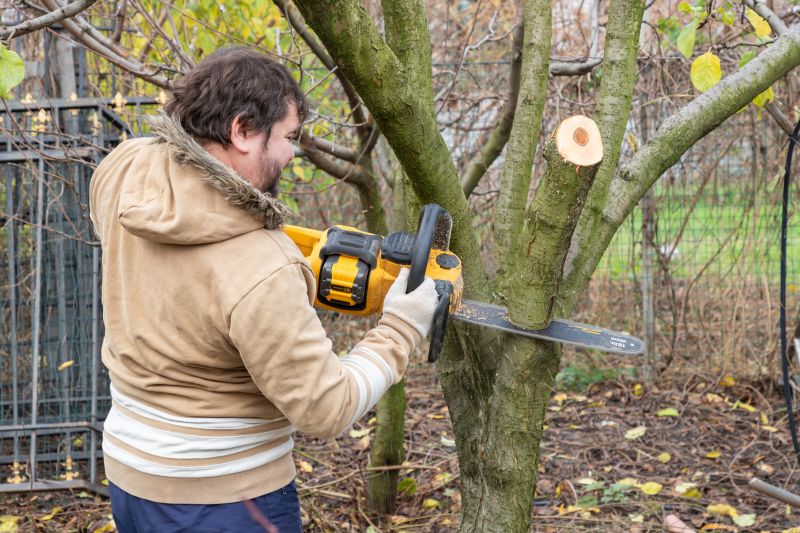
Popular materials for Tree Trimmings and why they hold up over time.
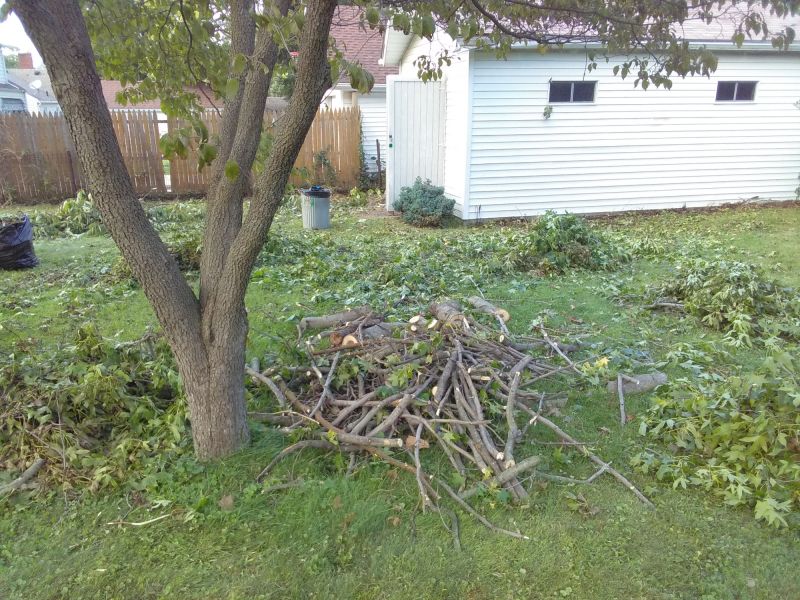
Simple add-ons that improve Tree Trimmings without blowing the budget.
| Best Time for Tree Trimmings | Key Considerations |
|---|---|
| Spring | Supports new growth and flowering. |
| Summer | Maintains shape and removes dead branches. |
| Fall | Prepares trees for winter, removes diseased limbs. |
| Winter | Ideal for dormant trees, easier access. |
| After Storms | Removes damaged branches promptly. |
| Before Blooming | Encourages flowering and fruiting. |
| During Dormancy | Minimizes stress and disease risk. |
Tree trimmings are a vital part of maintaining healthy and safe trees. Proper timing and technique can prevent disease, promote vigorous growth, and enhance the landscape's appearance. Regular trimming not only supports the tree's structural integrity but also reduces hazards caused by falling branches.
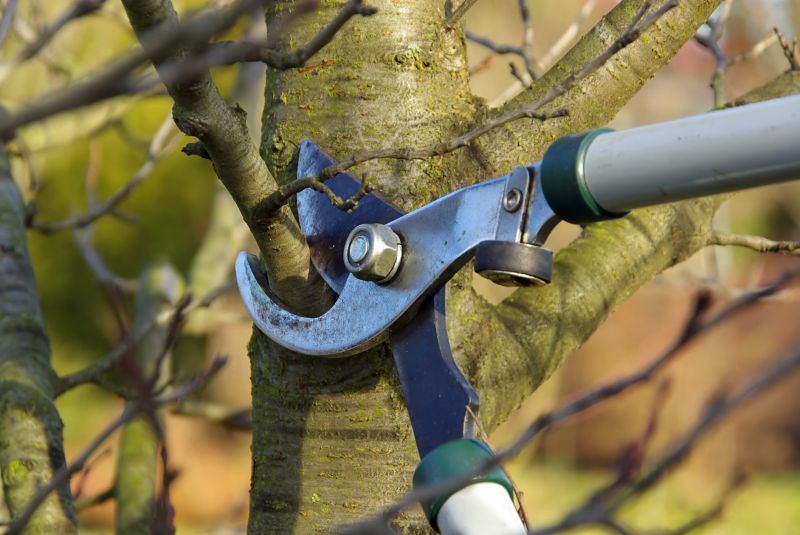
Proper trimming results in a strong, balanced canopy.
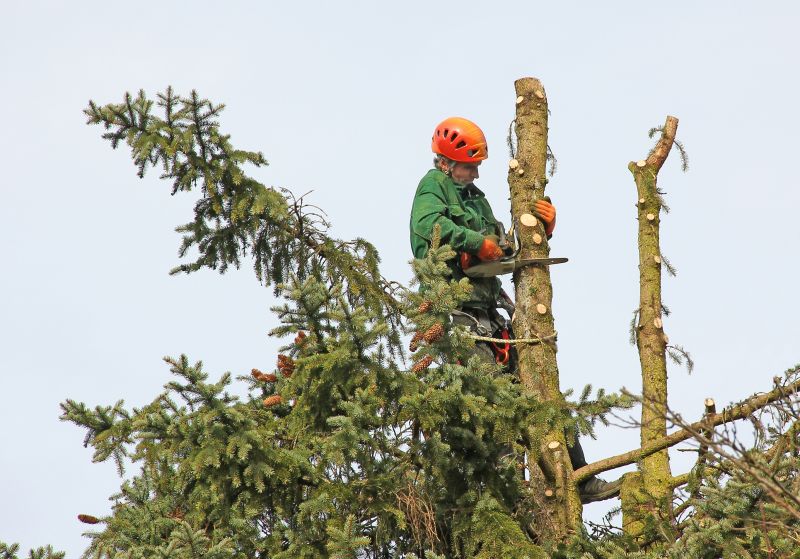
Adjust trimming practices to seasonal needs.
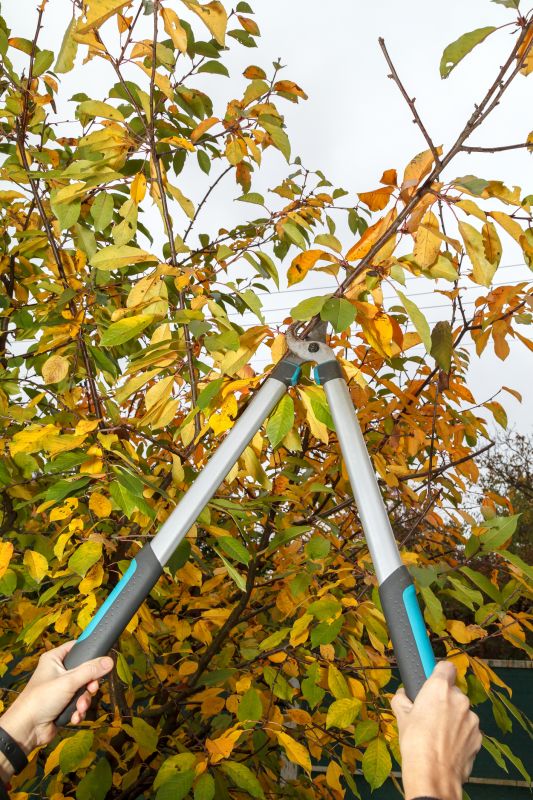
Use appropriate tools for effective trimming.
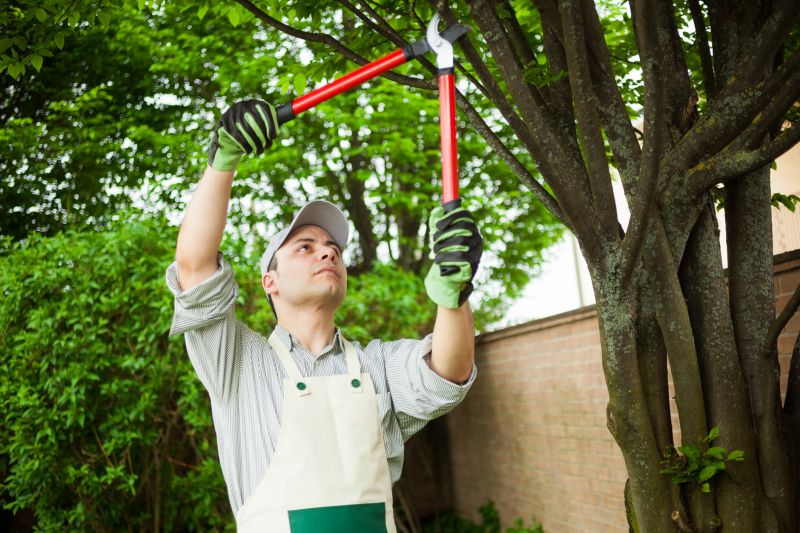
Different species require tailored trimming approaches.
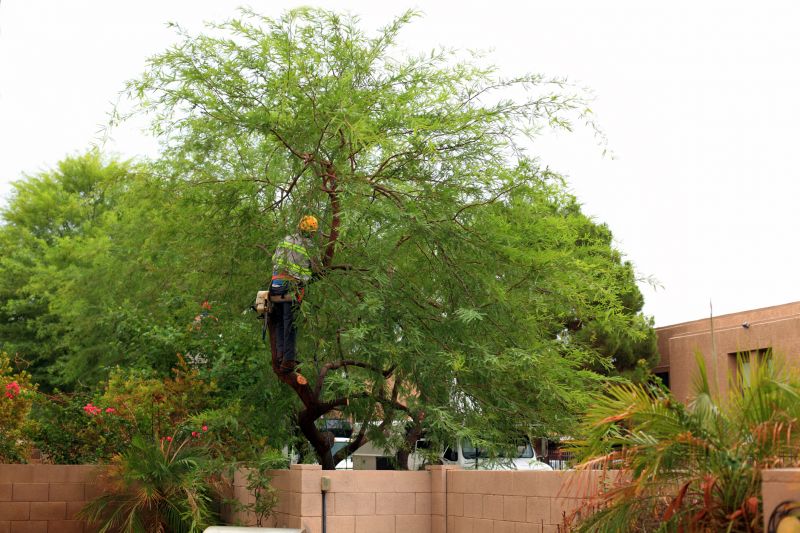
High-end options that actually feel worth it for Tree Trimmings.
Interested in scheduling tree trimmings? Filling out the contact form can provide more information on available services and optimal timing for specific trees. Proper trimming practices contribute to the long-term health and safety of landscape trees.